
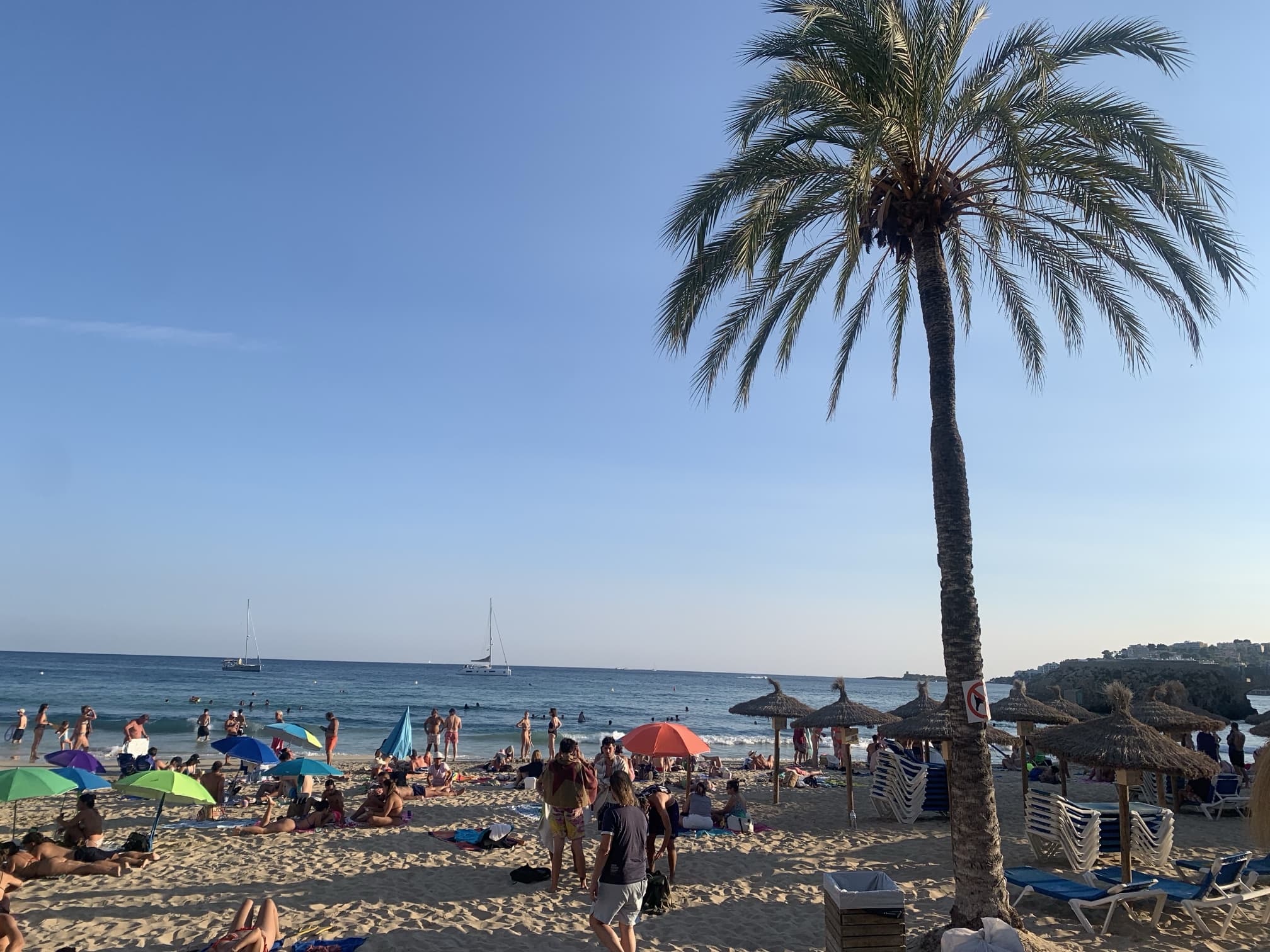
In the time it can take to crawl along the M6, you could already be touching down on Spain’s vibrant shores. From Palma’s galleries to the Costa Brava’s surreal coastline, the Mediterranean is just a few hours away.
Direct flights from Birmingham make the Mediterranean surprisingly and conveniently accessible, while rail routes through Paris and Lyon offer a slower, more scenic alternative. Travellers who pack a sketchbook, easel or treasured camera with their sunscreen will find evocative settings at every turn. But you don’t need to be an artist to appreciate them.
Admirers of Dalí, Gaudí, Miró, distinctive exhibits, museum and architectural treasures can also find plenty to love.
With flights of around three hours or less, and transfers often under an hour, these cities and coastal towns have dramatic scenery and everyday Mediterranean life with minimal fuss. Jet2, Ryanair, Vueling and easyJet all serve the region. Eurostar to Paris, followed by TGV routes south through Lyon and Montpellier, gets you to Barcelona in roughly 11–13 hours, with onward links to Girona, Figueres, Tarragona and Valencia. Ferries also run from Barcelona to Palma.
Palma, Majorca
(2h30 flight + 10–20 min transfer)
Palma is one of the quickest Mediterranean gateways, a mere two and a half hours from Birmingham. A short transfer brings you into a city where Es Baluard sits within fortress walls. The Miró Foundation’s studios have been authentically preserved.
Miró’s work also appears in Marivent Gardens (check seasonal opening times), alongside waterfront sculptures and leafy squares.
Santa Catalina’s murals and stencil art are great conversation starters. Cafés serve strong coffee, almond cake and sobrassada (a flavoursome spread) on toast, while independent bars pour island vermut and cañas away from the waterfront. At Mercat de l’Olivar, stalls brim with Mahón cheese, a tangy, pale cow’s cheese from Menorca; ensaïmadas, soft spiral pastries dusted with sugar; oranges from Sóller; and produce in chic island colours. In the Serra de Tramuntana, stone villages offer chilled almond milk; horchata de almendra, a sweet almond drink; and palo, the island’s bittersweet herbal liqueur.
Look for small family run guesthouses in the old town or Santa Catalina — filtering for pensión or agroturismo Mallorca often reveals the best stays.
Costa Brava
(2h flight to Barcelona/Girona + 30–60 min transfer)
North of Barcelona, the Costa Brava brings a sharp shift in mood and landscape. Flights to Barcelona — and seasonal services (when available) to Girona — take around two hours, with transfers of 30 minutes to an hour. In Figueres, the Dalí Theatre Museum looms like one of his paintings: a striking red façade studded with golden loaves of bread and crowned with giant eggs. Inside, the Mae West room, Rainy Taxi and jewel like artworks fascinate visitors.
At Portlligat, Dalí’s house preserves his studio and eccentric outdoor pieces. The weathered rocks of Cap de Creus inspired many of his dreamscapes and still draw photographers and painters. Along the Camí de Ronda, pine framed coves such as Cala Sa Boadella make peaceful sketching spots. Girona’s former industrial districts reveal murals and graffiti.
Food arrives straight from the sea and surrounding hillsides: suquet de peix, coca flatbreads, and famously salty L’Escala anchovies. Seaside bars serve Catalan craft beers. Summer festivals bring correfocs, Catalonia’s fire running celebrations with dancing devils, drumbeats and sparks.
Stay in small pensiones and independent hotels in Begur, Cadaqués or Palafrugell, where tiled floors and shuttered windows await.
Costa Dorada
(2h 15 min flight to Barcelona/Reus + 20–40 min transfer)
South of Barcelona, the Costa Dorada blends ancient heritage with a modern spark. Reached via Barcelona or seasonal flights to Reus, the region centres on Tarragona, where a Roman amphitheatre is a fascinating stop.El Serrallo, the old fishing district, is ideal for a glass of rosé beside the harbour.
Nearby Reus, Gaudí’s birthplace, boasts modernist architecture and the Gaudí Centre, exploring his life and influences through interactive exhibits. Artists may be drawn to Tamarit Castle beach, where medieval towers rise directly from the shoreline, and to Altafulla’s softly lit streets. The Torredembarra dunes stretch out with pale golden sand and sea grass. Parc del Francolí offers open green space and riverside walks.
Food celebrates the coast: romesco, fried calamari and glasses of vermut. Reus is known for elegant old world cafés where crema catalana is best not rushed.
Valencia & the Costa del Azahar
(2h20 flight + 20–30 min transfer)
Further down the coast, Valencia offers one of Spain’s richest artistic experiences. Flights from Birmingham take around two hours and 20 minutes. The city balances Gothic architecture with bold contemporary culture: IVAM sets the modern tone, while Bombas Gens occupies a beautifully restored industrial complex. The Gothic Silk Exchange is a highlight. Street art thrives in El Carmen, with installations in Turia Gardens and around the futuristic City of Arts & Sciences.
El Saler is known for sprawling dunes and wide horizons. Peñíscola’s whitewashed old town feels ready made for a film set. Markets sell Manises ceramics, textiles and traditional horchata sets. Paella — often cooked over wood fires — remains the region’s signature dish, joined by fideuà and freshly grilled fish. Agua de Valencia arrives chilled; fartons are soft, sweet and designed for dipping into horchata. Bars in Ruzafa and Benimaclet are lively and affordable.
Costa Blanca
(2h40 flight + 35–45 min transfer)
The Costa Blanca brings a softer palette and slower rhythm. Flights from Birmingham to Alicante take around two hours and 40 minutes. Alicante’s MACA gallery holds a significant contemporary collection, while the Gravina Museum of Fine Arts showcases regional painting. Altea, with its whitewashed lanes and blue domed church, is a favourite with sketchers. Villajoyosa’s brightly painted seafront houses resemble a ready made colour study. Photographers head for the limestone monolith of Peñón de Ifach.
Elche’s Palmeral, a UNESCO World Heritage Site, contains long avenues of palms and beautifully filtered light. Markets sell ceramics, horchata, red prawns from Dénia and slices of coca amb tonyina, a savoury tuna topped pastry. Independent bars remain simple and affordable, serving cold beers and regional wines. High season evenings often bring live music to the seafront.
A quick escape — even with airport dramas
Whatever your reason for travelling, these journeys create memories worthy of a masterpiece. And yes — before you say it — a “two hour flight” somehow becomes a five hour saga once you factor in security queues, and a great British tradition of queuing at the gate long before boarding starts. But even with all that, these remain some of the speediest ways to swap West Midlands drizzle for Mediterranean colour.